Review: First I Drink Coffee then I Save - Nurse Design
As a designer who has spent countless hours digitizing and stitching out machine embroidery design files for clients, I have learned that the difference between a bestseller and a dusty inventory item often comes down to readability and relatability. When I first opened the zip file for First I Drink Coffee then I Save - Nurse, my immediate reaction was one of recognition. This is not just a graphic; it is a cultural statement tailored specifically for the healthcare community. For those of us in the Crafts and Graphics space, understanding the nuance of this niche is critical. This review breaks down how this specific retro-style design performs in real-world applications, from small hoop patches to full-front sweatshirt prints.
Visual Personality and First Impressions
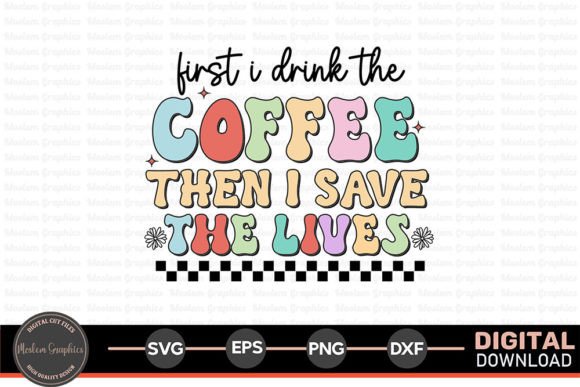
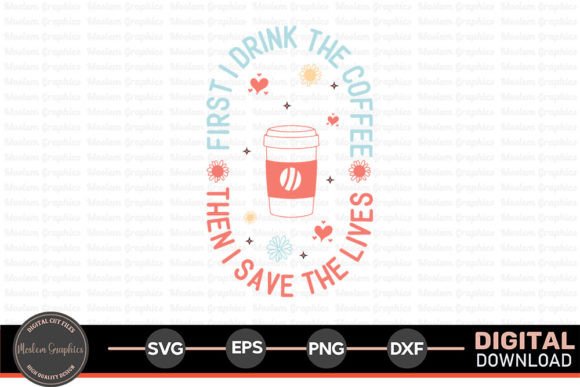
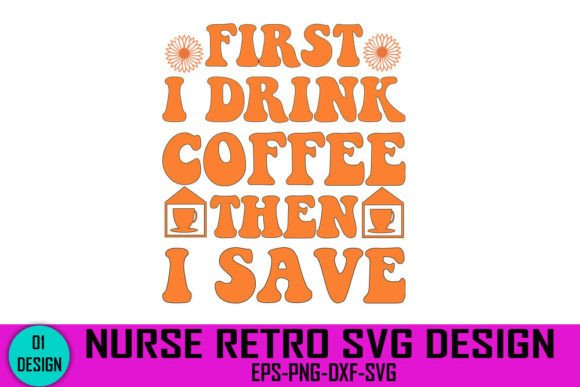
The aesthetic of this design leans heavily into the retro trend that has dominated apparel for the last few years. The typography suggests a vintage, slightly worn feel, which pairs perfectly with the nursing profession’s blend of toughness and compassion. The layout is balanced, with the coffee cup element serving as a visual anchor before the eye moves to the text. For an embroidery project, this balance is crucial. If the elements are too spaced out, the design loses cohesion on smaller garments. If they are too tight, the stitches merge into a dense blob.
In this preview, we see a single design included in the package, available in EPS, SVG, and DXF formats. As a reviewer, I appreciate the inclusion of vector formats like EPS and SVG alongside the embroidery-specific DXF. This versatility allows me to use the same artwork for printable mockup creation or vinyl cutting, ensuring brand consistency across different product lines. However, for actual stitching, the DXF file is where the magic happens, provided your machine software can interpret the stitch types correctly.
Real-World Application: The Custom Tote Bag Test
To truly evaluate a design, you must imagine it on fabric. I recently worked on a custom order for a nursing student graduation gift. The client wanted a sturdy canvas tote bag design that was both functional and stylish. I selected First I Drink Coffee then I Save - Nurse for this purpose. Canvas is a forgiving fabric with a tight weave, making it ideal for designs with moderate stitch density.
The result was impressive. The retro font held up well against the texture of the canvas. Because the design relies on clear lettering rather than intricate shading, it remained legible even from a distance. This is a key consideration for any handmade product intended for daily use. If a customer cannot read the witty slogan while the bag is slung over a shoulder, the design fails its primary purpose. In this case, the contrast between the thread colors and the natural beige canvas created a warm, inviting look that felt professional yet personal.
Apparel and Stitching Considerations
Moving from bags to apparel, the dynamics change. Sweatshirt embroidery requires careful attention to stabilizer choice. Sweatshirts are thick and often fuzzy, which can swallow up fine details. When using this design on a fleece-lined hoodie, I recommend using a cut-away stabilizer to prevent the fabric from puckering under the weight of the stitches. The "coffee" element likely utilizes a combination of fill stitch for the body of the cup and satin stitch for the rim or handle. On thick fabrics, satin stitches can sometimes sink in. To counter this, I suggest adding a light topping stabilizer if the fabric is particularly plush.
For custom apparel like t-shirts, the approach differs. T-shirts are stretchy and thin. Here, the design’s simplicity is an asset. Complex, dense designs can distort lightweight jersey knits. Since First I Drink Coffee then I Save - Nurse appears to have open spaces and clear lines, it is less likely to cause excessive pulling. However, always test on scrap fabric first. Check how the running stitch outlines behave on stretchy material. If the design feels stiff after washing, the density may be too high for that specific garment type.
Navigating Challenges: Small Hoops and Dark Fabrics
Not every project is a large tote or a roomy sweatshirt. Many Etsy seller shops thrive on small items like baby onesies, caps, or pocket squares. This is where you must exercise caution. If you plan to shrink this design for a baby embroidery project, pay close attention to the lettering. Tiny text can become illegible if the stitch count is not optimized for small hoop size constraints. I advise zooming in on your digitizing software to ensure the letters do not merge when scaled down below three inches.
Dark fabrics present another challenge. The retro style often implies muted or earthy tones. If you are stitching this on navy scrubs or black jackets, you must choose your thread colors wisely. High contrast is essential. A cream or light gray thread will pop against dark backgrounds, maintaining the vintage vibe without getting lost. Always run a test stitch-out on the actual fabric color you intend to sell. What looks good on a white digital design assets preview may vanish on a charcoal gray shirt.
Commercial Viability and Brand Trust
For small shop product creators, the appeal of this design lies in its specificity. It targets nurses, a demographic known for appreciating personalized, humorous, and proud identifiers of their profession. Using a high-quality digital embroidery file like this enhances the perceived value of your finished product. Customers associate clean, well-digitized embroidery with professionalism. Sloppy stitching or poorly scaled designs can erode trust quickly.
When listing this as a commercial embroidery item, be transparent about the care instructions. Embroidered items, especially those with dense areas, require gentle washing to maintain their shape. Including a care card with your personalized gift adds a touch of luxury and helps preserve the integrity of the stitches. Furthermore, verify the licensing terms provided with the zip file. While many designers allow commercial use for physical products, restrictions may apply to reselling the digital file itself. Always respect the creator’s intellectual property rights.
Final Verdict for Designers
First I Drink Coffee then I Save - Nurse is a strong contender for any designer’s library. Its retro aesthetic is timely, and its message is evergreen within the nursing community. It performs best on medium-to-heavy weight fabrics where the stitches can sit prominently without distorting the material. Whether you are creating an embroidered patch for a scrub cap or a large back-piece for a clinic jacket, this design offers flexibility.
Remember to check the specific stitch settings in your software, as DXF files can sometimes import with default densities that need tweaking. Adjust your stabilizer based on the fabric texture, and always prioritize legibility in your scaling. With these practical steps, this design can become a staple in your craft business, driving engagement and sales through its relatable and charming appeal.